Top florist tips for arranging flowers on De Beauvoir Road
Posted on 26/09/2026
Arranging flowers should feel enjoyable, not fussy. If you live, work, or are sending blooms around De Beauvoir Road, the best arrangements are the ones that suit the space, the occasion, and the flowers themselves. That sounds simple, but in practice a good bouquet can go from lovely to a bit lopsided very quickly. A few florist habits make all the difference.
In this guide, we'll walk through the top florist tips for arranging flowers on De Beauvoir Road, from choosing a colour palette to conditioning stems, shaping the vase, and avoiding the common mistakes that make arrangements sag before the evening is over. You'll also find practical examples, a comparison table, a checklist, and a short real-world scenario to help everything click into place. Let's make it easier, and a bit more beautiful.
Why Top florist tips for arranging flowers on De Beauvoir Road Matters
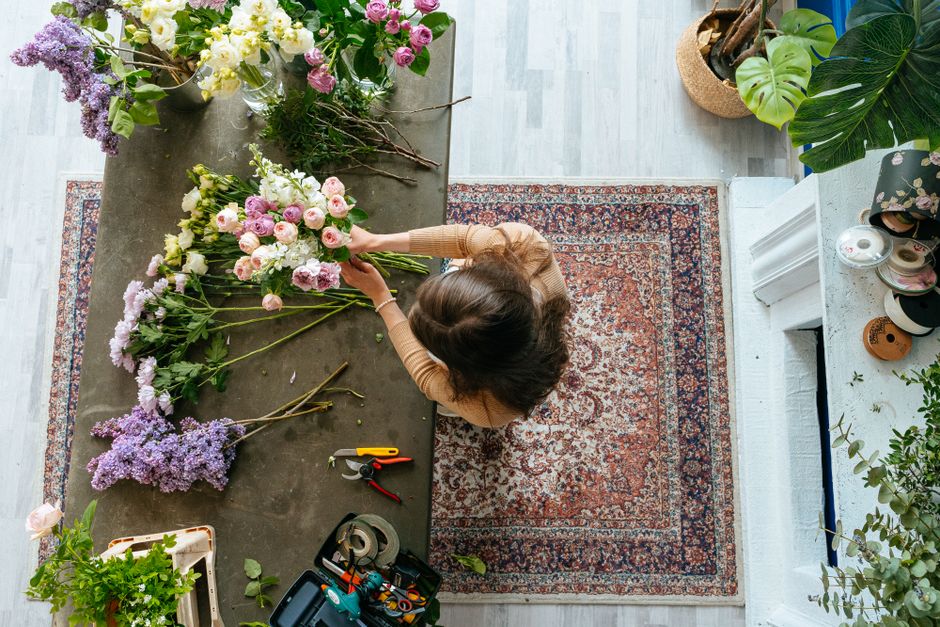
De Beauvoir Road sits in a part of London where people often want flowers to feel polished, personal, and not overdone. That might mean a vase arrangement for a flat with limited light, a generous gift bouquet for a birthday, or something elegant for a dinner table that has to share space with candles, wine glasses, and plates. The setting matters. Quite a lot, actually.
Good flower arranging is not only about style. It helps blooms last longer, look fuller, and sit more naturally in the room. In a London home, where space can be tight and temperatures can swing from warm radiators to open windows and chilly evenings, the way you arrange the stems has a real effect on freshness. A neat hand-tied bouquet or balanced vase display will usually hold together better than a bunch simply dropped into water and hoped for. We've all done that once. It rarely ends well.
For local gifting too, presentation shapes the first impression. If you're sending flowers in the area through flower delivery in De Beauvoir Town, the recipient notices the details right away: the mix of flowers, how the heights are balanced, whether the blooms breathe a little rather than crowd each other, and whether the arrangement feels intentional. That's the difference between "nice flowers" and "someone clearly thought this through."
It also matters because floral trends can be a bit misleading. A highly styled arrangement might look effortless in a photo, but at home you need practicality. You need support, hydration, and a shape that behaves. That's where florist tips come in. They bridge the gap between lovely and lasting.
How Top florist tips for arranging flowers on De Beauvoir Road Works
At heart, arranging flowers is a balance of structure and softness. Florists usually begin by deciding the purpose of the arrangement: gift, table centrepiece, sympathy tribute, wedding piece, or simply a mood-lifting bunch for your kitchen. Once the purpose is clear, the rest gets easier. You choose flowers that suit the message, stems that support one another, and a container that fits the scale.
The process usually follows a few quiet rules. First comes conditioning, which means trimming stems, removing leaves below the waterline, and letting flowers drink before arranging. Then comes the visual structure: focal flowers, supporting blooms, and filler or foliage to shape the design. Finally, a florist checks the silhouette from different angles, because flowers are rarely viewed from one perfect front-on position. They're seen from the sofa, the hallway, the dining chair, or half a step through the kitchen door.
There's also a local practical side. On De Beauvoir Road and nearby streets, many homes are stylish but compact. A wide arrangement may look amazing on a large table, but in a narrow hallway it can dominate the space and feel awkward. A tighter, more vertical design often works better. In small flats, a vase with a narrower neck can be a life-saver because it helps guide the stems instead of letting them wobble around like they own the place.
If you want a helpful starting point for occasion-led flowers, it can be useful to browse an established range such as birthday flowers or a more versatile any occasion selection. Even if you are arranging the flowers yourself, seeing how florists group colours and textures can sharpen your eye.
Key Benefits and Practical Advantages
Using florist-style arranging principles gives you more control. You stop guessing and start shaping. That alone saves time and money, especially if you've ever bought a lovely bunch only to find the stems drooping by tomorrow morning.
Here are the main benefits:
- Longer vase life: Proper stem prep and water management help flowers stay fresher.
- Better balance: The arrangement looks intentional rather than crowded or sparse.
- Stronger gifting impact: A well-composed bouquet feels thoughtful and premium.
- More room-friendly designs: You can adapt height and width to the home or venue.
- Smarter flower choice: You'll know which blooms play well together and which ones need more space.
- Less waste: Good arranging means fewer stems hidden, damaged, or trimmed too short.
There's also a confidence boost. Once you know the basics, you can make quick decisions without second-guessing yourself. You'll notice that a simple white and green arrangement can feel cleaner and more modern than an overloaded mixed bunch, while a bright palette can lift a room in seconds. The skill is in choosing the right effect for the moment, not simply using every flower in the vase.
For example, if you're putting together a table arrangement for a supper on De Beauvoir Road, a low design with layered texture may be far better than a tall statement vase. People can talk over it. Candles still fit. And nobody has to tilt sideways to see across the table, which is always a win.
Who This Is For and When It Makes Sense
This advice is for anyone who wants flowers to look better with less trial and error. That includes busy homeowners, tenants, gift buyers, hosts, office managers, and anyone trying to make a place feel a little more alive. It is especially useful if you're arranging flowers for a specific reason rather than just popping them in water and hoping the stems sort themselves out.
You may find these tips especially relevant if you are:
- sending flowers to a friend, partner, parent, or colleague nearby
- decorating a dinner table, sideboard, or reception desk
- choosing flowers for a birthday, anniversary, sympathy message, or celebration
- trying to make a small London room feel calmer or brighter
- learning how to handle supermarket flowers more professionally
- ordering from a local florist in De Beauvoir Town and wanting to understand the styling choices
It also makes sense when time is short. In the real world, not everyone has an hour to fuss over roses and eucalyptus at the kitchen table. Sometimes you've got ten minutes before guests arrive and the flowers need to be sorted now. That's fine. Good floristry is often about making sensible decisions quickly. Less panic, more structure.
If you are ordering for a specific sentiment, choosing the right flower type matters too. A softer bouquet may suit a thoughtful gesture, while a more vibrant mix may work better for celebrations. For more formal occasions, you might look at sympathy flowers or funeral flowers, where restraint and composition matter more than volume.
Step-by-Step Guidance
Below is a practical method you can use at home. It works for gifts, casual displays, and most vase arrangements. If you follow it properly, your flowers will usually look calmer, fuller, and more professional. Usually. Flowers can still be a little dramatic, to be fair.
1. Start with the container
Choose a vase or vessel before you start cutting stems. A tall vase supports long-stemmed flowers, while a squat bowl suits compact arrangements. The opening should match the size of the bunch. Too wide and everything flops apart. Too narrow and the bouquet gets squeezed into submission.
2. Clear and condition the stems
Remove any leaves that would sit below the waterline. Cut the stems at an angle so they can drink properly. Use clean scissors or floristry snips rather than tearing them. If the stems are woody, a sharper cut matters even more. This is one of those small things that feels fussy until you see the difference.
3. Build a base
Start with foliage or the longest structural stems. This creates the outer shape and gives your arrangement a framework. If you want a looser, garden-style finish, let the edges breathe a little. If you want something more polished, keep the outline tighter and more controlled.
4. Add focal flowers
These are your main blooms: roses, lilies, hydrangeas, or whatever the arrangement is built around. Place them at varying heights so the design doesn't look flat. A good trick is to create a triangle or gentle curve rather than lining the flowers up in a row.
5. Fill gaps with supporting flowers
Use smaller blooms to bridge empty spaces and soften the edges. Alstroemeria, carnations, germini, chrysanthemums, and seasonal flowers can all help give texture. Don't overfill. If every gap is packed, the arrangement loses shape and begins to look heavy.
6. Turn and check from all sides
Step back and look at the bouquet in a mirror or from across the room. Check that no single stem is poking out like it's trying to leave the conversation. Adjust the balance, trim where needed, and make sure the front is not the only side that looks good.
7. Finish with water and placement
Top up with fresh water, keep the vase out of direct sun and away from fruit bowls or hot radiators, and place it where the room can enjoy it. In a north-facing room or a cooler hallway, flowers often last longer. That little environmental detail makes more difference than people expect.
Expert Tips for Better Results
These are the little habits that separate a decent arrangement from one that feels genuinely polished. None of them are complicated, but together they raise the quality a lot.
- Use odd numbers where possible. Three, five, or seven focal stems often look more natural than even-number groupings.
- Vary bloom size. Mix statement flowers with smaller support blooms for depth.
- Keep one colour quiet. If every colour shouts, the whole design gets noisy. A calmer base colour helps the eye rest.
- Mind the fragrance. Strongly scented flowers can overwhelm a small room. Lovely at first, then a bit much by bedtime.
- Match the vessel to the mood. Glass feels clean and modern. Ceramic feels softer. A textured container can make a simple bunch look far more considered.
- Rotate as the flowers open. Some blooms, especially roses and lilies, change shape over a couple of days. A quick turn every morning helps keep the display balanced.
A useful rule in local homes is to think in terms of sightlines. If the arrangement sits on a dining table, it should not force everyone to peer around it. If it's for a console or windowsill, height can be more generous. That one decision changes how the flowers feel in the room.
And here's a very human tip: don't chase perfection. Flowers are not printed posters. A slight bend in a stem or a bit of asymmetry can make the arrangement feel alive rather than staged. That's the charm, really.
Common Mistakes to Avoid
Most flower arranging problems come from trying to do too much too soon. The flowers are usually not the problem. The arrangement is.
- Using a dirty vase: Bacteria shortens vase life, so clean the container properly first.
- Leaving leaves in the water: This encourages spoilage and makes the water cloudy quickly.
- Cutting all stems the same length: Flat arrangements often feel stiff and unnatural.
- Ignoring scale: A tiny posy in a huge vase looks lost. A giant bunch in a small vase feels cramped.
- Overcrowding the vase: Flowers need space for water and airflow.
- Mixing flowers with very different needs: Some blooms are more delicate, some drink more, and some last better with specific care.
- Placing flowers in harsh heat or direct sun: They may open too fast and fade sooner.
One common local mistake is choosing a display that suits the shop counter but not the actual home. A bouquet might look lush in a florist's studio and then feel too tall once it is on a small kitchen table beside a lamp, a bowl, and two charging phones. The space matters. Always.
If you're buying ready-made flowers, it can help to pick styles that are already designed with balance in mind, such as a florist choice bouquet or a compact flowers in a vase arrangement. They tend to take less adjustment at home.
Tools, Resources and Recommendations
You do not need a professional studio to arrange flowers well. A few sensible tools are enough, and most people already have half of them in the kitchen drawer.
| Tool or Item | Why it helps | Practical note |
|---|---|---|
| Sharp snips or scissors | Clean cuts help stems absorb water better | Keep them reserved for flowers if possible |
| Clean vase | Reduces bacteria and keeps water clearer | Wash thoroughly before each use |
| Fresh cool water | Hydrates flowers and supports opening | Change regularly for best results |
| Flower food | Helps nourish blooms and slow decline | Use according to the packet guidance |
| Greenery or foliage | Creates shape and texture | Great for softening edges |
| Tape or a flower grid | Helps support stems in wide-neck vessels | Useful when you want a more structured design |
If you want to understand how different flowers behave, a shop's care information is often more useful than people realise. A good starting point is the flower care guidance page, because care and arrangement go hand in hand. A brilliant bouquet can still fall flat if the stems are not handled well from the start.
For people who like to browse by mood or budget, the store categories can also help with planning. A mixed palette such as mixed colours can give energy, while a gentler palette like white flowers or pink flowers creates a softer finish. If you're after something more statement-led, luxury flowers can show how high-end arrangements are often built around contrast and negative space.
Law, Compliance, Standards, or Best Practice
For home arranging, there usually are no special legal requirements you need to worry about. Still, there are sensible best practices, especially if you are buying, sending, or displaying flowers commercially or in shared spaces.
If flowers are being delivered, it is wise to understand the retailer's delivery expectations, substitutions, and returns approach. That is more about consumer confidence than strict compliance, but it matters. For example, a clear delivery process and fair refund policy can help set expectations if flowers are delayed or if seasonal substitution is needed. You can review pages such as delivery information and returns and refund guidance to understand how a florist typically handles those situations.
In workplaces, hospitality settings, and event venues, the main best practice is simple: keep arrangements safe, stable, and appropriate to the space. Avoid blocking exits, sightlines, or service areas. If flowers are placed on tables or counters, make sure containers are sturdy and water is secure. Nobody wants a wobbly vase on a polished surface. That's a conversation no one enjoys.
For sustainability-minded buyers, floral best practice also includes reducing waste, choosing reusable vessels where possible, and making the most of stems that continue opening over a few days. A sustainable approach does not mean plain or dull. It just means thoughtful. And honestly, thoughtful flowers usually look better anyway.
Options, Methods, or Comparison Table
There is no single "right" way to arrange flowers on De Beauvoir Road. The best method depends on the space, the occasion, and how much time you have. Here's a straightforward comparison.
| Method | Best for | Strengths | Trade-offs |
|---|---|---|---|
| Loose hand-tied bouquet in a vase | Gifts, casual home display, birthdays | Natural look, flexible, easy to adapt | Can splay out if the neck is too wide |
| Structured vase arrangement | Dining tables, reception spaces, formal rooms | Neat shape, strong visual control | Needs more trimming and positioning |
| Low bowl arrangement | Dining tables, coffee tables, intimate settings | Low profile, easy conversation across the table | Usually requires more careful support |
| Floral basket or posy | Smaller gifts, sympathy, bedside displays | Compact, charming, easy to place | Less dramatic height and spread |
For a quick gift, a hand-tied bouquet is often the simplest route. For a dinner party or seasonal display, a structured arrangement usually looks more deliberate. And if you want something that feels quietly elegant rather than loud, low bowls and posies are hard to beat.
Some occasions call for specific presentation styles. A wedding table may need something refined and repeatable, while a sympathy tribute needs respectful balance and restraint. That's why florist-led collections such as wedding table arrangements and tributes can be helpful references when you're deciding on shape and tone.
Case Study or Real-World Example
Imagine this: it's Friday afternoon, and someone on De Beauvoir Road is expecting friends for dinner that evening. They've bought a mixed bunch with roses, alstroemeria, and a few stems of greenery. Nice flowers, but the vase is too wide and the bunch looks like it might slide into the water with no sense of purpose.
Instead of forcing everything into place, they trim the stems at different lengths, remove the lower leaves, and start with the greenery to define the outline. The roses become focal points, spaced so the eye moves naturally across the display. The alstroemeria fills the middle layer and adds movement. A couple of stems are turned slightly outward so the arrangement feels open rather than packed. Ten minutes later, the table looks calm, not crowded. Guests notice it immediately when they sit down.
What changed? Not the flowers, really. The flowers were good already. The difference was structure, breathing room, and a bit of judgment. That is the whole game with arranging, truth be told. Knowing when to stop.
For another real-world scenario, consider a thoughtful gift delivered to a flat nearby. A compact arrangement in a vase or basket often makes life easier for the recipient because it can be placed straight on a shelf or side table without needing immediate rearranging. That is one reason baskets and posies can work so well for local gifting: they're simple, tidy, and ready to enjoy.
Practical Checklist
Use this quick checklist before you finish any arrangement. It saves a surprising amount of trouble.
- Have you chosen the right vase or container for the size of the bouquet?
- Are the stems freshly cut at an angle?
- Have you removed any leaves below the waterline?
- Do the tallest stems suit the room and not overwhelm it?
- Is there a clear focal point in the arrangement?
- Have you filled gaps without overcrowding the flowers?
- Does the display look balanced from more than one angle?
- Is the water clean and topped up?
- Have you placed it away from direct heat and strong sunlight?
- Does the arrangement suit the occasion and the recipient?
If the answer to most of those is yes, you're in very good shape. A strong arrangement doesn't have to be elaborate. It just has to be considered.
Conclusion
The best florist tips for arranging flowers on De Beauvoir Road come down to simple principles done well: respect the stems, choose the right scale, balance the colours, and give the arrangement room to breathe. That may sound a bit neat on the page, but in real life it means flowers that look fresher, sit better in the room, and feel more personal when someone receives them.
Whether you're styling a quick table display, sending a gift across the neighbourhood, or building something for a special moment, a little florist thinking goes a long way. And once you start noticing the details-shape, height, texture, scent-you'll find the whole thing becomes easier, almost instinctive. Not always perfect. But better. Often much better.
If you want a thoughtful next step, explore a trusted local range and compare styles, sizes, and occasion-led options before you arrange or send anything. The right flowers make the job feel lighter from the start.
Get a free quote today and see how much you can save.
Frequently Asked Questions
What are the best flowers to arrange in a vase for De Beauvoir Road homes?
Roses, lilies, alstroemeria, carnations, chrysanthemums, and seasonal mixed flowers are all reliable choices. For smaller London homes, compact blooms and a narrow-neck vase often work better than oversized stems.
How do I make a flower arrangement last longer?
Use a clean vase, trim the stems, remove any leaves below the waterline, refresh the water regularly, and keep the flowers away from heat and direct sun. Conditioning the flowers properly at the start really helps.
Should I arrange flowers tightly or loosely?
It depends on the occasion. Tight arrangements can feel formal and tidy, while looser designs feel natural and relaxed. For dining tables or compact rooms, a looser arrangement still needs structure, otherwise it can look messy rather than elegant.
What is the easiest arrangement style for beginners?
A hand-tied bouquet placed in a suitable vase is usually the easiest. Start with greenery, add focal flowers, and finish with smaller support blooms. Keep checking the shape as you go.
How many stems should I use for a simple arrangement?
There is no fixed number, but odd numbers often look more natural. A small arrangement might use five to seven stems, while a fuller display may need more. The vase size and flower type matter more than the raw count.
Can I mix different flower types in one arrangement?
Yes, and that is often where the arrangement gets interesting. Just make sure the flowers have similar care needs and the colours work together. A strong mix usually includes one focal flower, one or two supporting flowers, and some foliage.
What should I avoid when arranging flowers at home?
Avoid dirty vases, overcrowding, leaving leaves in the water, cutting all stems to the same length, and placing the flowers in harsh sunlight or near radiators. Those mistakes shorten vase life and can make the display look flat.
Is it better to choose a florist-made bouquet or arrange flowers myself?
If you want convenience and a polished finish, a florist-made bouquet is often the better option. If you enjoy shaping things yourself, arranging at home can be rewarding and cost-effective. Both work well depending on your time and confidence.
How do I choose flowers for a specific occasion?
Think about tone first. Soft colours and gentle blooms often suit sympathy or thoughtful gestures. Brighter combinations work well for birthdays and celebrations. For weddings or formal events, coordination and scale are especially important.
Are flower delivery arrangements ready to display?
Usually yes, though it is wise to check whether the flowers are hand-tied, boxed, basketed, or arranged in a vase. A ready-made vase arrangement is the easiest option if you want something that can be placed straight on a table.
Do I need special tools to arrange flowers properly?
Not really. A sharp pair of scissors or snips, a clean vase, fresh water, and a little flower food are enough for most home arrangements. A flower grid or tape can help if you want more control in a wide vase.
What's the best flower arrangement style for a small flat?
Compact arrangements, baskets, posies, and narrow vase displays usually suit smaller spaces best. They give you the beauty of flowers without taking over the room or blocking everyday surfaces.
How do I know if a florist is following good practice?
Look for clear care advice, sensible delivery information, and arrangements that feel balanced rather than overcrowded. Transparent policies and fresh, well-presented flowers are usually good signs that the florist pays attention to detail.
Can I reuse a vase arrangement the next day?
Yes, often you can extend the life of the arrangement by removing tired stems, recutting the ends, refreshing the water, and reshaping the bouquet. Sometimes one or two tired blooms need to come out, and that's normal.